SaaS SEO Audit Checklist: 15 Critical Items for 2026
For SaaS companies, organic search is a critical channel for acquiring new customers. A comprehensive SEO audit is the first step to improving your search rankings and driving sustainable growth. This checklist covers 15 critical items for your 2026 SaaS SEO audit.
Technical SEO
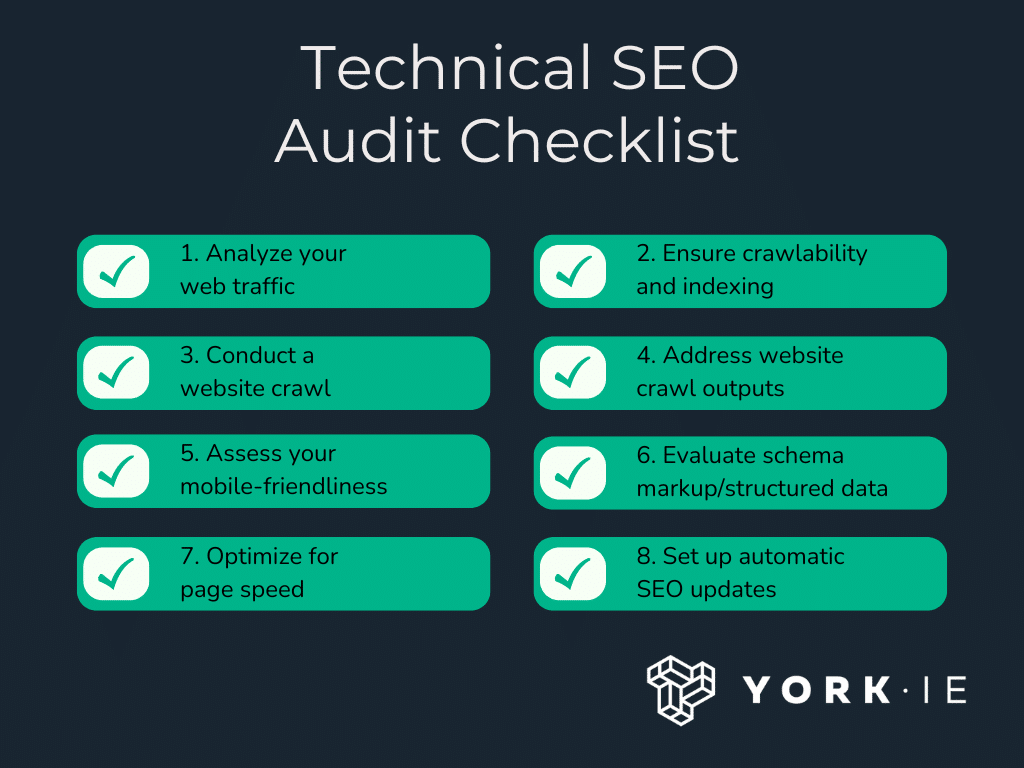
1. Crawlability and Indexability: Ensure that search engines can easily crawl and index your website. Check for crawl errors, broken links, and duplicate content.
2. Website Speed and Performance: A slow website can kill your conversions. Use Google PageSpeed Insights to test your website speed and identify areas for improvement.
3. Mobile-Friendliness: With more and more users searching on mobile devices, a mobile-friendly website is a must. Use Google's Mobile-Friendly Test to check your website.
4. XML Sitemap: An XML sitemap helps search engines understand the structure of your website. Make sure your sitemap is up-to-date and submitted to Google Search Console.
5. Robots.txt: The robots.txt file tells search engines which pages on your website to crawl and which to ignore. Make sure your robots.txt file is properly configured.
On-Page SEO
6. Keyword Research and Targeting: Are you targeting the right keywords? Use a keyword research tool to identify the keywords that your target audience is using to search for your products or services.
7. Title Tags and Meta Descriptions: Title tags and meta descriptions are the first things that users see in the search results. Make sure they are compelling and accurately describe your content.
8. Header Tags (H1, H2, H3): Header tags help search engines understand the structure of your content. Use them to break up your content and make it more readable.
9. Content Quality and Relevance: Is your content high-quality and relevant to your target audience? Make sure your content is well-written, informative, and engaging.
10. Internal Linking: Internal linking helps search engines understand the relationship between the pages on your website. Use internal links to guide users to other relevant content on your website.
Off-Page SEO
11. Backlink Profile: Backlinks are a major ranking factor. Use a backlink analysis tool to analyze your backlink profile and identify opportunities to build high-quality backlinks.
12. Domain Authority and Page Authority: Domain authority and page authority are metrics that predict how well a website will rank in the search results. Use a tool like Moz or Ahrefs to check your domain authority and page authority.
13. Social Signals: Social signals, such as likes, shares, and comments, can indirectly impact your search rankings. Make sure you are active on social media and promoting your content.
SaaS-Specific SEO
14. Pricing Page SEO: Your pricing page is one of the most important pages on your website. Make sure it is optimized for search engines and easy for users to understand.
15. Free Trial and Demo Page SEO: If you offer a free trial or demo, make sure these pages are optimized for search engines. This will help you attract users who are ready to try your product.
Conclusion
An SEO audit is a critical first step to improving your search rankings and driving organic growth. By following this checklist, you can identify and fix the SEO issues that are holding your SaaS company back.
Ready to improve your SaaS SEO? Contact us today to learn more about our SEO services for SaaS companies.